In one ward of Dhanusha, a simple leaf plate is turning into steady income. Here is what it took, and what it needs to grow.
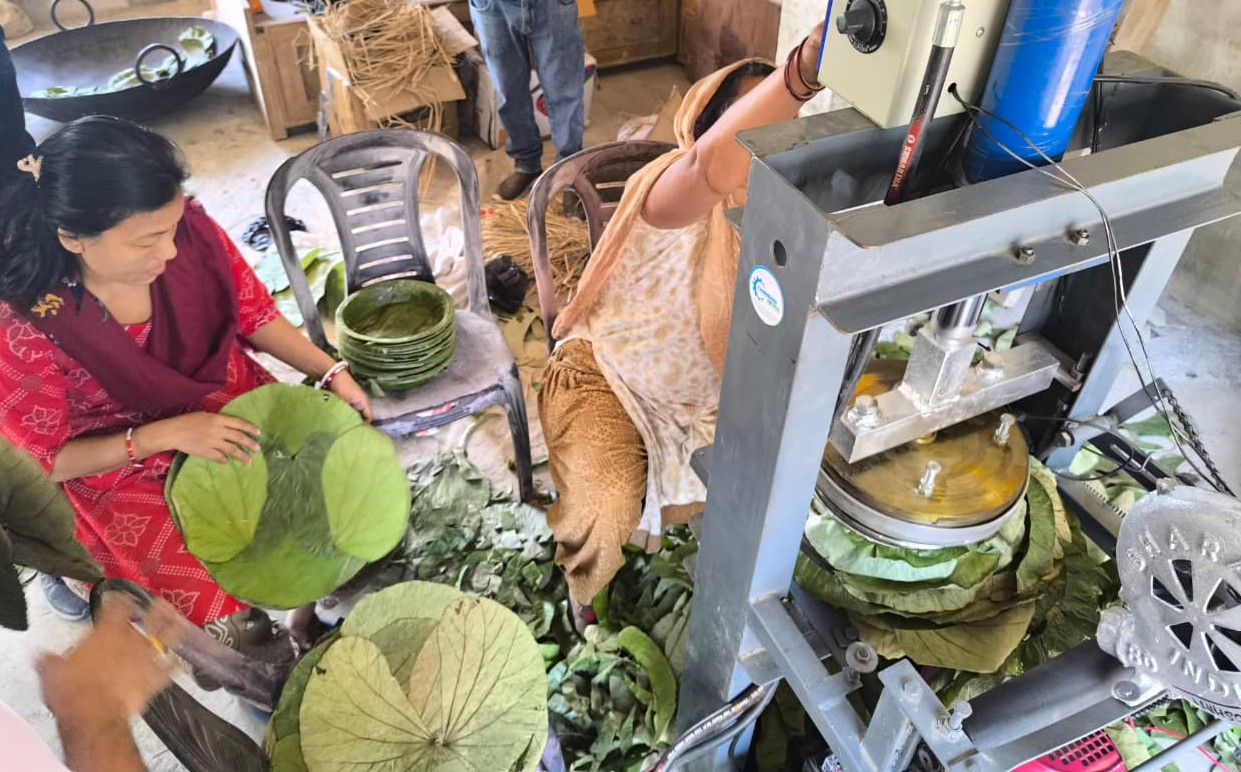
After a wedding or village feast, the plates pile up. Many are plastic, and they are thrown away within minutes. In Ward 1 of Ganeshman Charnath Municipality, Dhanusha, three women decided to sell a better plate, one made from leaves.
Today they make an average of 15,000 to 20,000 leaf plates a month and sell them wholesale. The business is running well. RECET supported them with electric leaf-plate machines and dies in different sizes, along with training and market linkages.
The numbers behind the story
-------------------
Each plate costs about NPR 3 to make and sells for about NPR 6 at wholesale. That is a margin of NPR 3 on every plate, half the selling price. At 15,000 to 20,000 plates a month, the business earns roughly NPR 45,000 to 60,000 a month. These are current averages, and we are still tracking them.
Why it works
The idea is simple and the costs are low. Leaves are local, the skills are easy to learn, and customers are close by: food stalls, caterers, restaurants and event organizers.
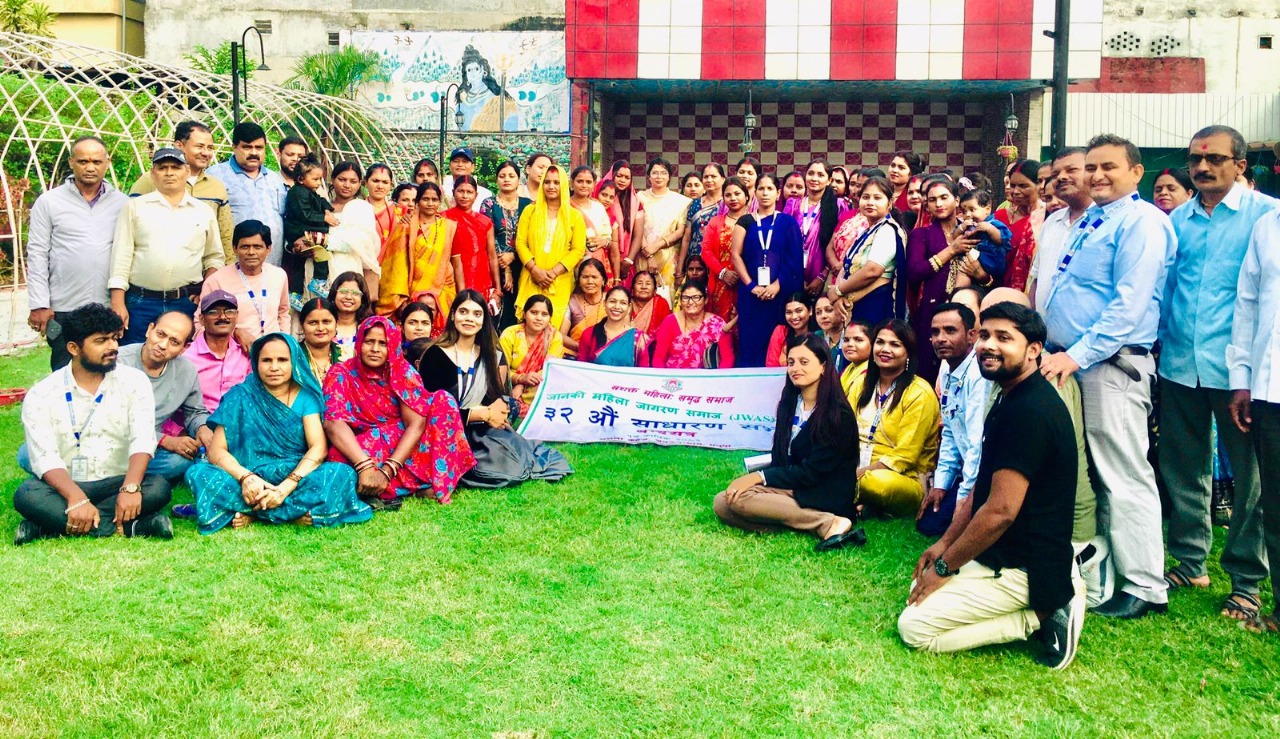
But the women did not stumble into it. All 100 women in RECET completed financial literacy and business support designed for women with low literacy. They learned how to choose a business idea, write a simple plan and build practical skills, with start-up support and coaching along the way. These three picked leaf plates themselves, and they are making it work.
A second income when the rains fail
-------------------
Dhanusha is rated “Very High” for drought risk and exposure. When the harvest fails, food and cash run short together. Income from a small business gives a family something to fall back on.
Green, and done responsibly
Leaf plates can replace some disposable plastic. To stay truly green, leaves must be collected with care, and plates must be made and thrown away responsibly. We keep this in mind in every enterprise we support.
At a glance
• 3 women in Ward 1, Ganeshman Charnath Municipality
• 15,000 to 20,000 leaf plates a month on average
• About NPR 3 to make, about NPR 6 at wholesale
• Roughly NPR 45,000 to 60,000 a month in earnings
• Part of RECET: 100 women, 10 settlements, all trained in business skills
What it will take to grow
-------------------
The basics work. The next step is making them dependable: steady agreements with buyers, a reliable and responsible supply of leaves, the same quality in every batch, and simple records of orders, costs and earnings. Support for equipment, packaging and market links can also help.
We will measure what matters: repeat orders, net earnings, who controls the income and how the leaves are sourced.
If you support women’s livelihoods or sustainable consumption, let’s talk. JWAS has identified more than 45 settlements across Mahottari, Siraha, Parsa and Rautahat where this approach can grow. A small investment goes a long way when the basics already work.
About RECET:
Resilience for Women through Climate-smart Economic Transformation (RECET) worked with 100 marginalized women and their households in ten drought-prone settlements of Dhanusha, Nepal.